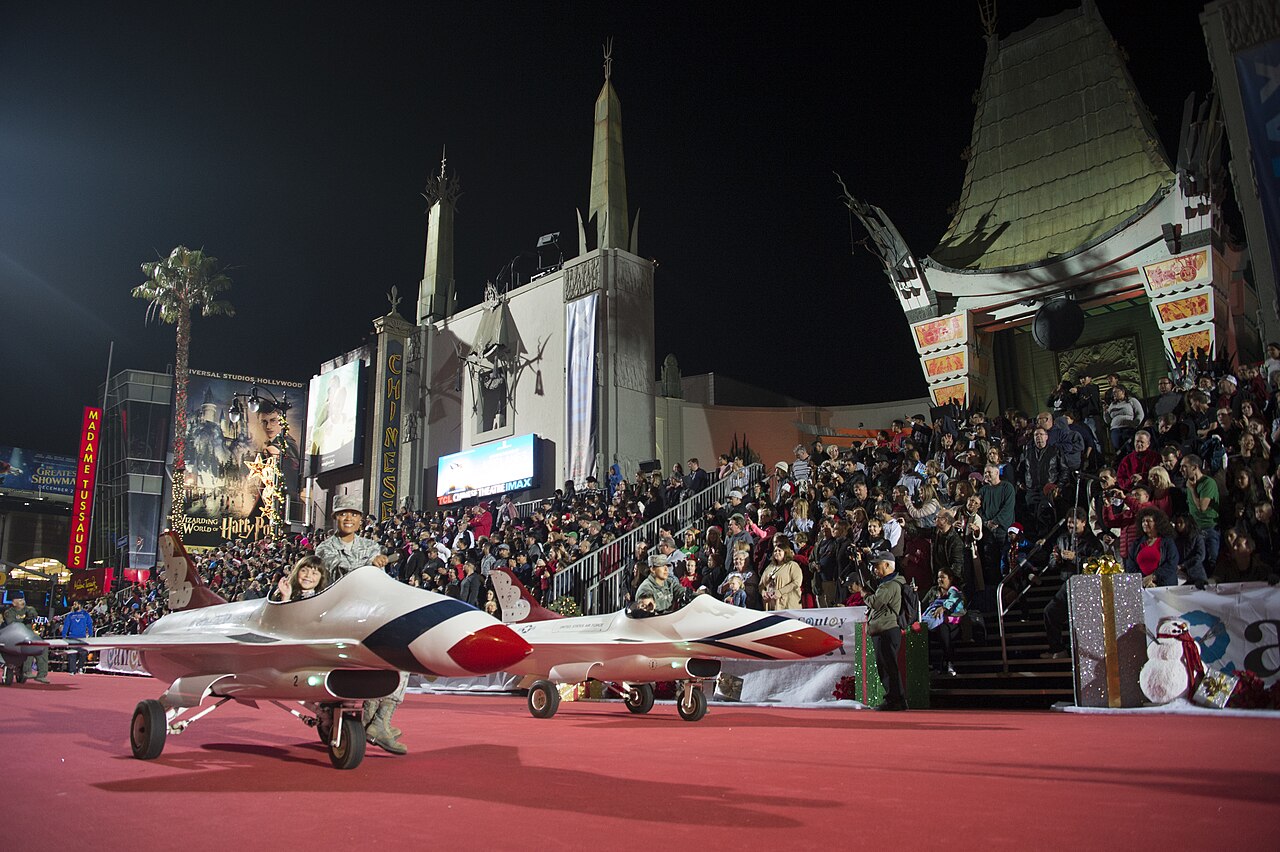
California families get the Macy’s parade at an hour normally reserved for flights and fevers: it starts at 5:30 in the morning Pacific time. The good news is that the West Coast has its own big holiday parade, and it waits for the weekend. On the Sunday after Thanksgiving, Hollywood Boulevard fills with marching bands, four-story balloons and, at the very end, Santa and his reindeer.
How a harvest feast became a national holiday
The story most of us learned begins in the autumn of 1621, in Plymouth. The only eyewitness account is a short letter from the colonist Edward Winslow, who wrote that the settlers had gathered their first harvest and sent men out to hunt fowl. Winslow says the Wampanoag leader Massasoit arrived with about ninety men, and that the two groups feasted together for three days. The settlers did not call it Thanksgiving. To them a day of thanksgiving was a solemn day of prayer, and the 1621 meal was a harvest celebration. The feast also was not repeated as an annual event.
The holiday we keep today took more than two centuries to arrive. Through the colonial era and into the 1800s, thanksgiving days were proclaimed by individual colonies and then states, on different dates, often after a good harvest or a military victory. The campaign to make it national belongs largely to Sarah Josepha Hale, the editor of Godey’s Lady’s Book and the author of “Mary Had a Little Lamb.” She spent about thirty years writing to governors and presidents. In 1863, in the middle of the Civil War, Abraham Lincoln answered with a proclamation setting aside the last Thursday of November. In 1941 Congress settled the date for good as the fourth Thursday, after Franklin Roosevelt’s attempt in 1939 to move it a week earlier split the country into two Thanksgivings.
There is a harder chapter, too. Since 1970, Native people and their supporters have gathered at Cole’s Hill in Plymouth on Thanksgiving Day for a National Day of Mourning, a reminder of what the arrival of the colonists cost the Wampanoag and other Native nations. Many families now talk about both stories at the table. If your children are old enough to ask, a morning in Plymouth is a good place to do it.
Where the parade came from
The parade tradition is younger than the holiday. Macy’s held its first Thanksgiving parade in 1924, and the marchers were largely employees of the store. The first floats included animals borrowed from the Central Park Zoo. The giant balloons came in the late 1920s, starting with Felix the Cat, and were first filled with helium in 1928. The parade was paused from 1942 to 1944 during the Second World War, which is why this year’s is counted as the 100th although it began more than a century ago. Philadelphia’s is older still, and Detroit and Chicago have run their own for generations. In each city, the idea was the same: a free show on the street, held on a holiday when families are already together.
The rest of the day has its own traditions. Football on Thanksgiving goes back to the 1800s, and the Detroit Lions have played every Thanksgiving since 1934. Every year the president “pardons” a turkey, a ceremony that became an annual fixture in 1989. And somewhere between the parade, the game and the pie, most of us end up in the same place: around a table with people we have not seen in a while.
On the calendar
- Thu Nov 26, Thanksgiving Day: the 100th Macy’s parade on NBC and Peacock, 5:30am Pacific.
- Sun Nov 29: the 94th Hollywood Christmas Parade, 6pm, with pre-parade entertainment from 5:30pm.
- Fri Dec 18: the Hollywood parade on The CW, 8pm, with an encore on Dec 24.
Thanksgiving morning
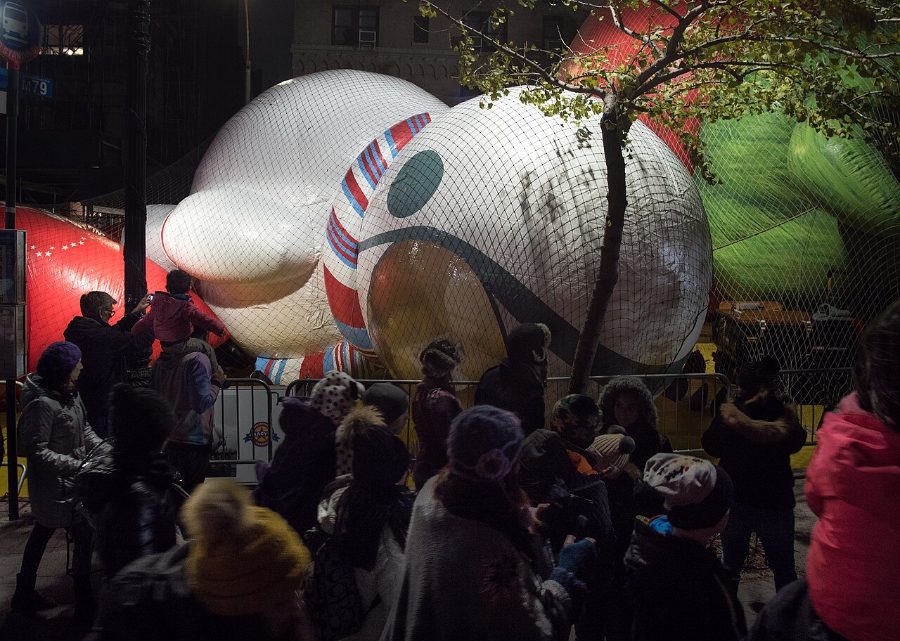
The 100th Macy’s Thanksgiving Day Parade Visit site ↗
The parade has marched in Manhattan since 1924, and this is its 100th edition, because it was cancelled from 1942 to 1944. It ends, as always, with Santa arriving at Herald Square, which is the moment many families treat as the official start of the holiday season.
The Sunday after: Hollywood
The 94th Hollywood Christmas Parade — Los Angeles Visit site ↗
The parade has run since 1928 and this year supports Marine Toys for Tots. Organizers say it will travel a 3.2-mile U-shaped route: east on Hollywood Boulevard from Orange Street to Vine, south on Vine to Sunset, and west on Sunset back to Orange. Expect about 5,000 participants, marching bands, floats, movie cars and four-story character balloons, with Santa and his reindeer closing the show. Paid grandstand seats open at 4pm; the curb is free. If bedtime wins, The CW airs it nationally on Friday, December 18 at 8pm, with an encore on December 24. Parade hotline: 1-833-727-2331.
If you go
- Arrive early and bring something to sit on.
- Pick a meeting spot before you go, and take a photo of your kids that morning.
- Check the official link on the day for route and street-closure changes.
Dates, times and routes come from each organizer or the listing linked on its card, as of November 6, 2026, and can change.