Every October, kids across Greater Boston put on costumes and go door to door for candy without a second thought about where any of it came from. It's worth the second thought — the story runs from ancient Ireland through the Catholic Church, colonial New England, Irish famine ships, and a century of American reinvention.
It started as Samhain, a Celtic new year
Halloween's roots trace back roughly 2,000 years to Samhain (pronounced "SAH-win"), a festival marking the end of harvest and the start of winter among the ancient Celts of Ireland, Scotland and the Isle of Man. Celebrated the night of October 31 into November 1, Samhain marked the Celtic new year — the point when summer gave way to the "darker half" of the year.
The Celts believed that on this one night, the boundary between the world of the living and the world of the dead grew thin, letting spirits cross over. People lit bonfires and wore costumes — often animal skins and heads — to disguise themselves from wandering ghosts, and left out food to appease spirits who might visit. Sound familiar? Trick-or-treating and costumes both trace back to these practices.
How the church responded
The Catholic Church didn't erase Samhain — it built around it. In the 8th century, Pope Gregory III designated November 1 as All Saints' Day (also called All Hallows' Day), a day to honor saints and martyrs, and it's widely believed the date was chosen to align with — and gradually absorb — the existing Celtic festival. The night before, October 31, became known as All Hallows' Eve, which shortened over centuries into "Halloween." November 2 followed as All Souls' Day, a day of prayer for the dead, rounding out a three-day stretch sometimes called Hallowtide.
Many of the old Samhain customs didn't disappear — they got a Christian gloss. "Souling," where poor children and adults went door to door on Hallowtide asking for soul cakes in exchange for prayers for the dead, spread across medieval Britain and Ireland and is considered one of the direct ancestors of trick-or-treating. "Guising" — going in disguise for food or coins — was its Scottish cousin, and both practices carried forward for centuries.
How other countries kept the traditions alive
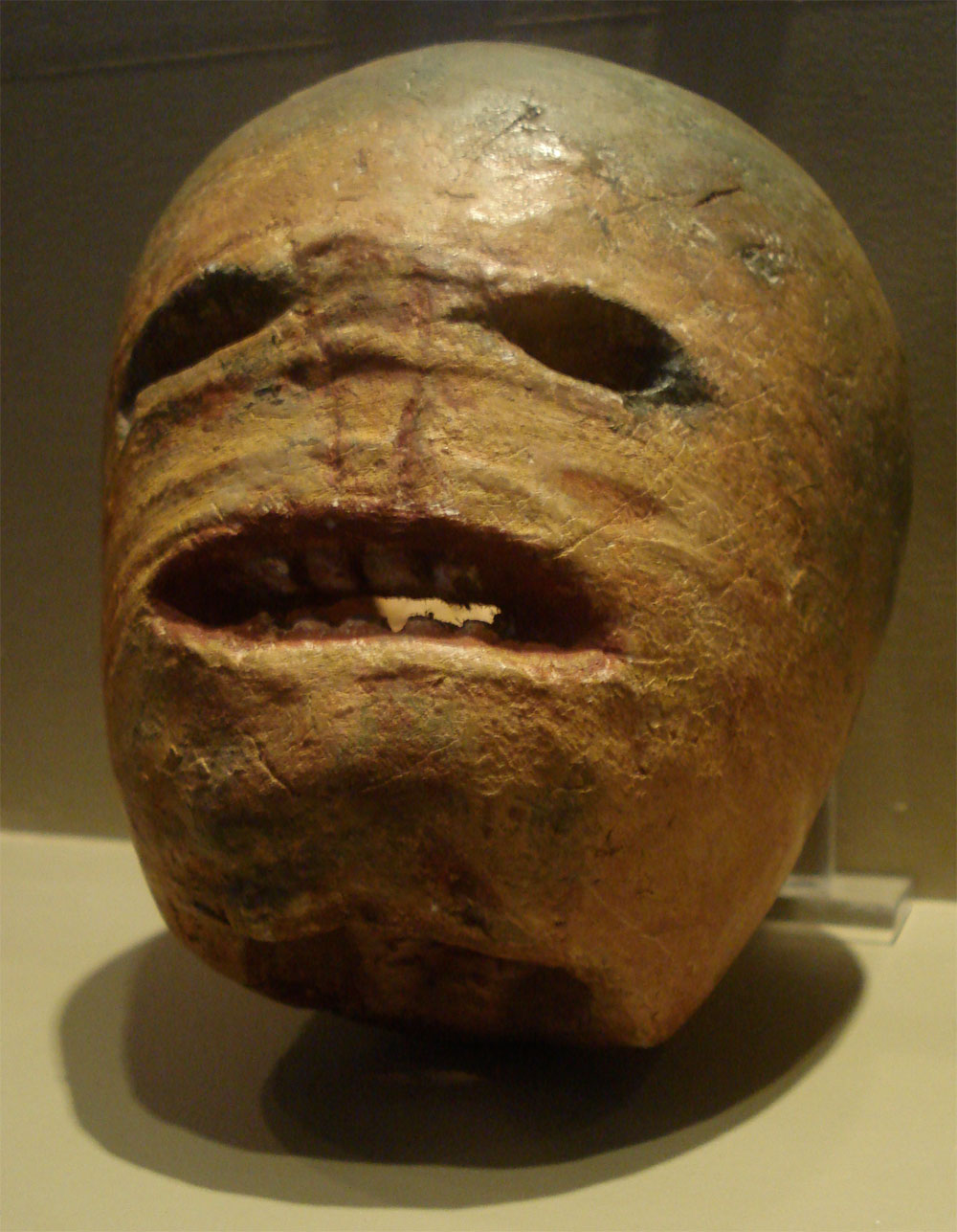
Ireland and Scotland kept the Samhain-rooted customs most intact. Turnips (not pumpkins, which weren't native to Europe) were hollowed out and carved into lanterns, tied to the folk tale of "Stingy Jack," a man condemned to wander the earth with only a burning coal in a hollowed turnip to light his way — the origin of the term jack-o'-lantern. Bobbing for apples, telling fortunes, and lighting bonfires to ward off evil spirits were all part of an Irish and Scottish Halloween night well before it crossed the Atlantic.
Other cultures developed their own, distinct ways of marking this time of year and honoring the dead — Mexico's Día de los Muertos (Day of the Dead), for instance, is a separate tradition rooted in Indigenous Mexican and Catholic practices, celebrated November 1–2 with altars, marigolds and remembrance rather than costumes and candy.
Crossing the Atlantic — and a cold welcome at first
Halloween had a rocky start in early America. The Puritans who settled New England were strongly opposed to it: they viewed the holiday's pagan Celtic origins and its association with Catholic ritual (all suspect to Puritan theology) as reason enough to reject it outright, and it was barely observed in early colonial New England as a result.
That changed with mass immigration. The Irish Potato Famine of the 1840s drove roughly a million Irish immigrants — along with large numbers of Scottish immigrants — to the United States, and they brought Samhain-descended Halloween customs with them. Boston, as one of the primary landing points for Irish immigration, was at the center of that shift; the city's large Irish-American population helped root Halloween in New England culture even as other regions were slower to adopt it.
From mischief to trick-or-treating
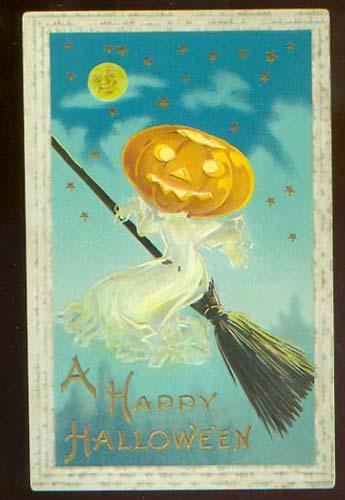
By the late 1800s and early 1900s, American Halloween had become a community, secular holiday centered on parties, games and seasonal foods — organizers actively worked to strip out the "ghost" and "witch" imagery in favor of a friendlier, neighborhood-focused celebration. Pranks and vandalism became common on Halloween night in the 1920s and '30s, which is part of why communities encouraged trick-or-treating: giving out treats was seen as a way to bribe kids out of mischief. The phrase "trick or treat" itself only shows up in American print starting around 1927, and the practice didn't become a nationwide standard until the 1950s.
What some churches thought about it later
Even after Halloween became mainstream, its pagan roots and imagery kept it controversial in parts of American Christianity. Some Protestant denominations — particularly more conservative and evangelical groups in the 20th century — voiced concern over Halloween's association with witchcraft, the occult and death imagery, and some churches to this day discourage participation or offer alternative "harvest festival" or "fall festival" events instead, deliberately swapping out ghosts and witches for pumpkins, hayrides and costume-free fun. The Catholic Church, by contrast, has generally kept its own relationship with the holiday's origin intact through All Saints' and All Souls' Day observances, which still fall on November 1 and 2 each year.
What it looks like now
Modern American Halloween is a blend of everything that came before it: Celtic costuming and lantern-carving, Christian Hallowtide's calendar dates and name, immigrant community traditions, and a 20th-century push toward safe, organized, kid-focused fun. It's now one of the most widely celebrated secular holidays in the country — for a lot of families around Boston, an evening of trick-or-treating, a school parade, and maybe a haunted house or a corn maze before the pumpkins go out.